August 22, 2026 · 4 min read
Selfless mystic who put engineers on the ‘right track’
To this day, the difficult terrain of Shimla poses a formidable challenge for residents, tourists, officials, activists, and researchers alike, notwithstanding the umpteen pathways of accessibility, some of which are really thoughtful (like the well maintained Jakhu Hanuman temple steps, pedestrian shelters en route Sanjhouli, and the serene surroundings of a few monasteries) while many others are as shabby as the residential and commercial structures all around, a sorry outcome of the shovels of greed that vested interests have dug deep into the fertile slopes of this blessed hill station.
It should be no surprise then that back in time, in the latter part of the 19th century, the power-hungry and acquisition-minded Britishers faced a massive roadblock in the modernization of their chosen summer capital.
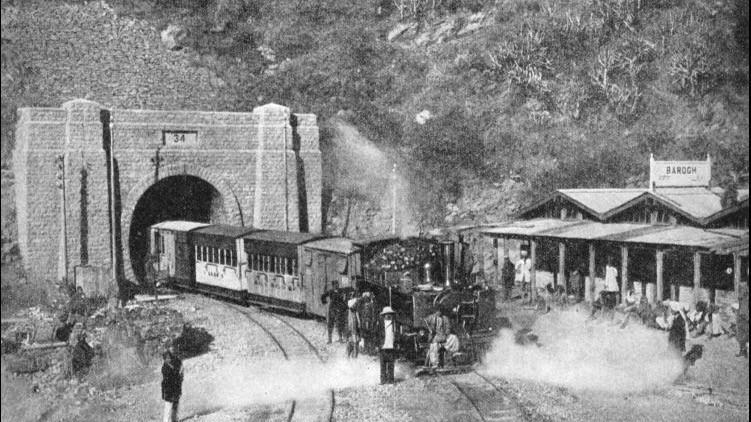
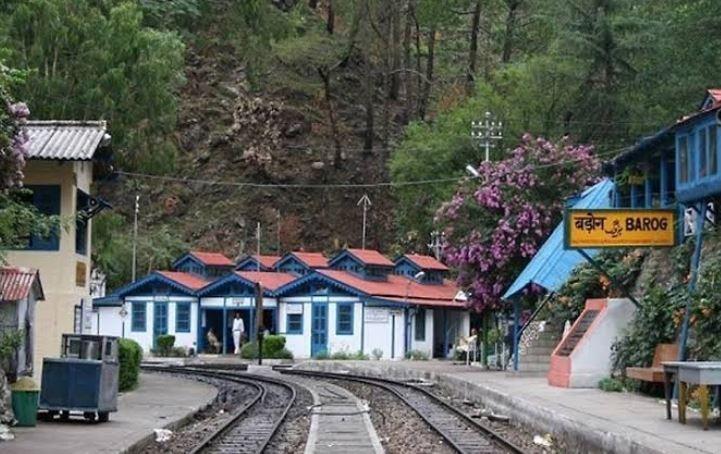
The grand plan was to connect Kalka (now part of Haryana) to Shimla (now part of Himachal Pradesh) via an expansive rail track. But the rocky terrain of Badog (named after the British Colonel Barog) posed a formidable challenge. There was no light at the end of the proposed tunnel (literally) to cover the track passing though this region.
Little did the British engineers know that a Fakir-like labourer from the Public Welfare Department of Patiala province and originally from Jhajja near Chail in Solan district, whose birth date is believed to be 1825 sans official confirmation, would show them the will and the way.
Initially, they ridiculed him and his offer to help expedite the survey, perhaps led by his dishevelled appearance and zero experience in rail track construction, besides given the trademark British vanity.
Even the certificates endorsing his contribution to the India-Tibet road construction were not found impressive enough. But then destiny has its own ways to ensure the right man is put on the right job. The Barog tunnel was being constructed under the supervision of Colonel Barog. Sadly, he could not ensure the right alignment and the twain did not meet. Fined by authorities for the lapse, the upright and conscientious Col. Barog was mentally devastated, even though the penalty was a mere rupee. His faithful companion, a pet dog, ran to the work site to convey the tragedy like only dogs can do. The mortal remains of Col. Barog were buried at the work site as a mark of respect for his fatal act of honour.
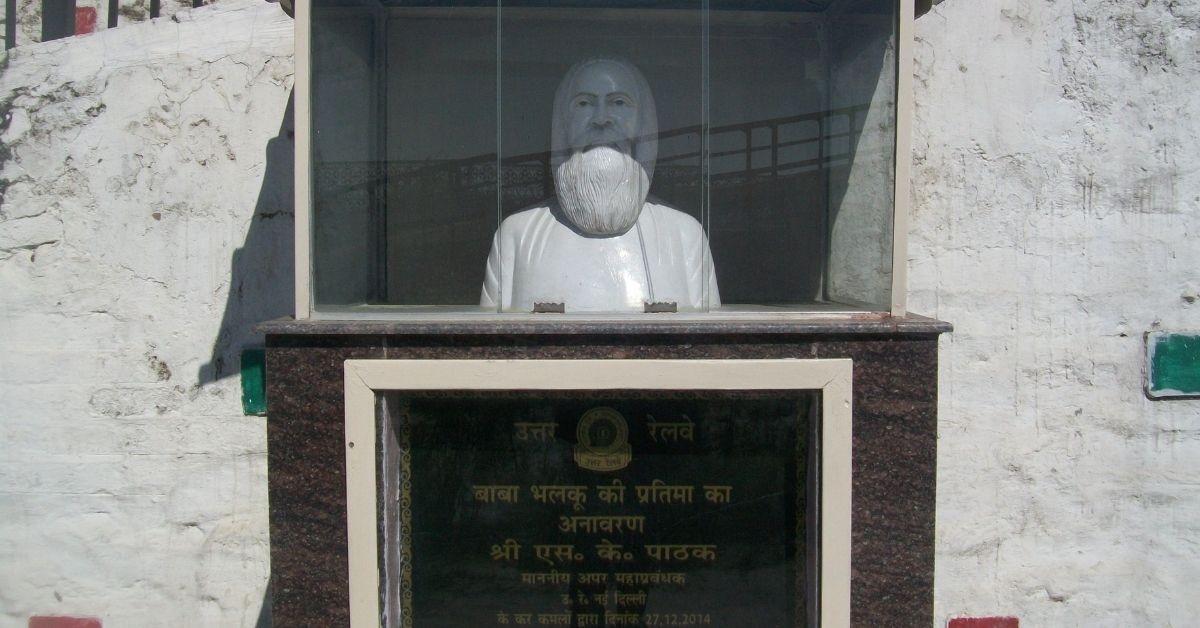
Chief Engineer HS Harrington took over the unfinished job and the poor labourer become a key member of the operational team. This mystic, self taught 'engineer' went by the name of Bhalku Ram. Did Harrington find Bhalku, or Bhalku approached Harrington, or someone introduced both to each other, no one knows! But that is besides the point. What Bhalku did after he was inducted was a game changer, and that's the essence of his inspiring real life saga.
He would hit the mountain walls with his staff and sense the sound based on which he would identify areas for digging through snap judgement and place silver coins to mark the chosen path.
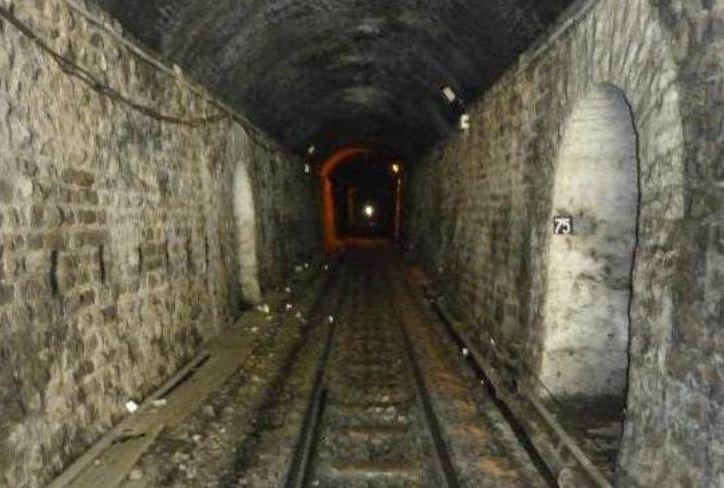
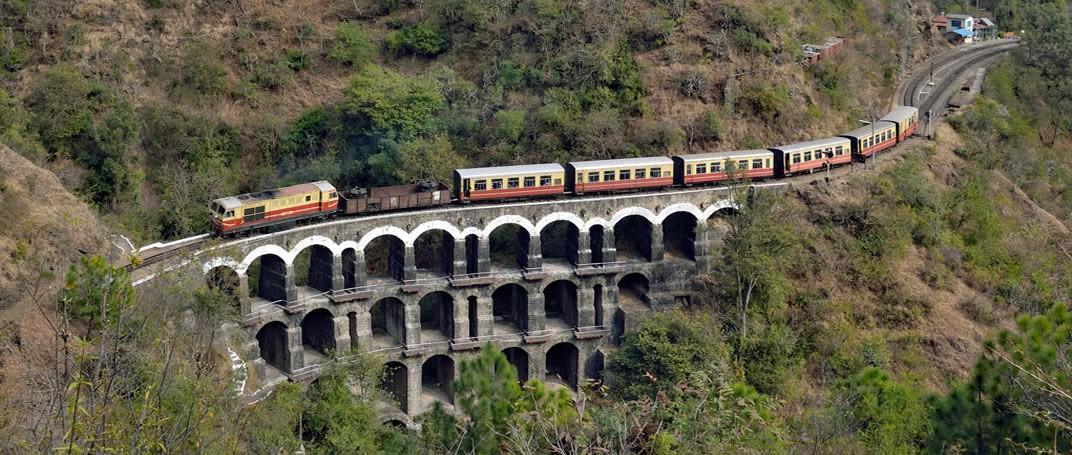
The British engineers would simply follow his instructions verbatim and start digging along the earmarked route. This simple modus operandi ensured the proper alignment of the 1,140-metre long Tunnel Number 33 at Barog railway station in good time. The mystic was guided by his local deity which baffled the highly educated Britishers. They could only attribute the magic to adaptive unconscious. No one was complaining as the results were for all to see and revere: a 96 km long UNESCO World Heritage site rail track passing through dense forests and 919 sharp turns to connect 20 stations via 102 tunnels and 850 bridges.
The British authorities were all praise for Bhalku and wished to employ the worker-saint, fondly called called Baba Bhalku by locals, on projects back home in England, but he was intent on first completing his pilgrimage to Jagannath Puri. He left for the destination but never returned. People say he simply vanished into the mists of the unknown, much like the great Shankaracharya did.
How we wish Himachal Pradesh government sets up a statue of this maverick and mystic saint on the famous Ridge that runs along the vintage Mall Road to share space with the figurines of Mahatma Gandhi, Indira Gandhi, Dr. Y.S. Parmar, and Atal Bihari Vajpayee. Who knows, the bust may inspire mindless tourists to know more about this forgotten son of the soil, while they pose for selfies or shoot low-IQ Youtube tour guides.
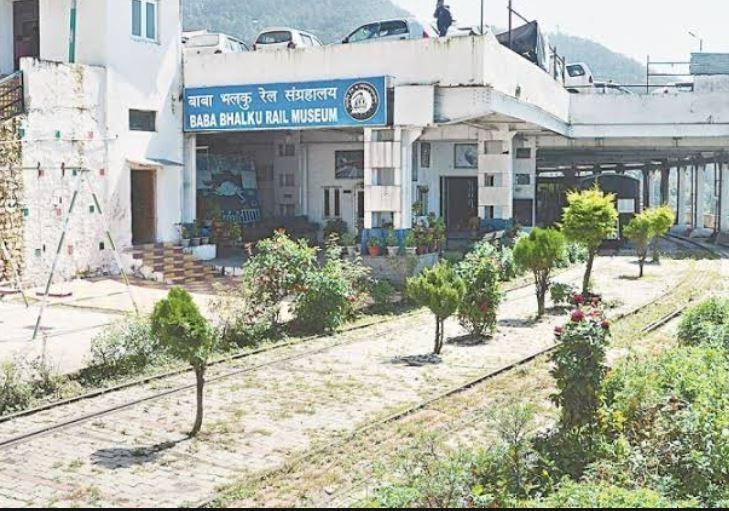
Those keen to dismiss Baba Bhalku's story as the figment of public imagination can do better – visit the Baba Bhalku Museum and pay obeisance to a selfless saint, as also one of the greatest engineers of all time.
More about Baba Bhalku at:
- Hero of historical heritage: Kalka-Shimla rail section's Baba Bhalku (ETV Bharat)
- The unlikely engineer who built the Kalka-Shimla railway (The Better India)
- Baba Bhalku and his contribution to Kalka-Shimla railway (Tribune India)
- 31 writers board literary train to honour Baba Bhalku's legacy (Tribune India)
- A soulful train journey honouring the memory of Baba Bhalku (Keekli)
- Baba Bhalku: it is said that he kept coins by sticking it with a stick, and the British used to mark it (First Verdict)