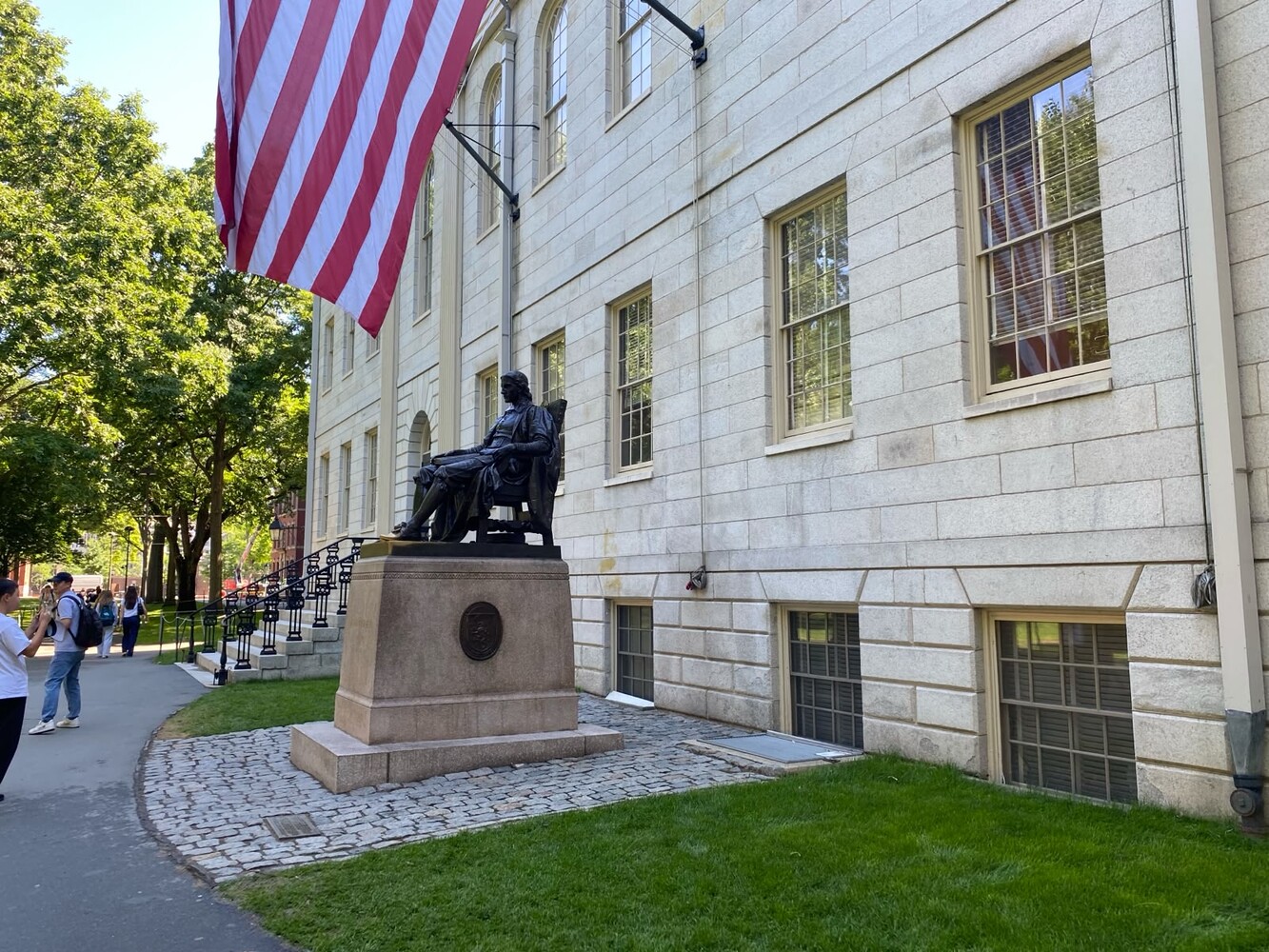
June 24, 2026 · 5 min read
Recounting Prof. D.D. Kosambi's Harvard sojourn: stop by stop
I had planned this detour in my heart and mind off my paid projects to the US of A (read: labour assignments of the bonded kind) very many years back, but my cherished aspiration proved way more distant than what I had imagined. Work that supported my legendary bank balance always took precedence, and the offbeat plan, which squarely hinged on the former, had to be kept on the backburner every single time I set foot on this highly industrious soil.
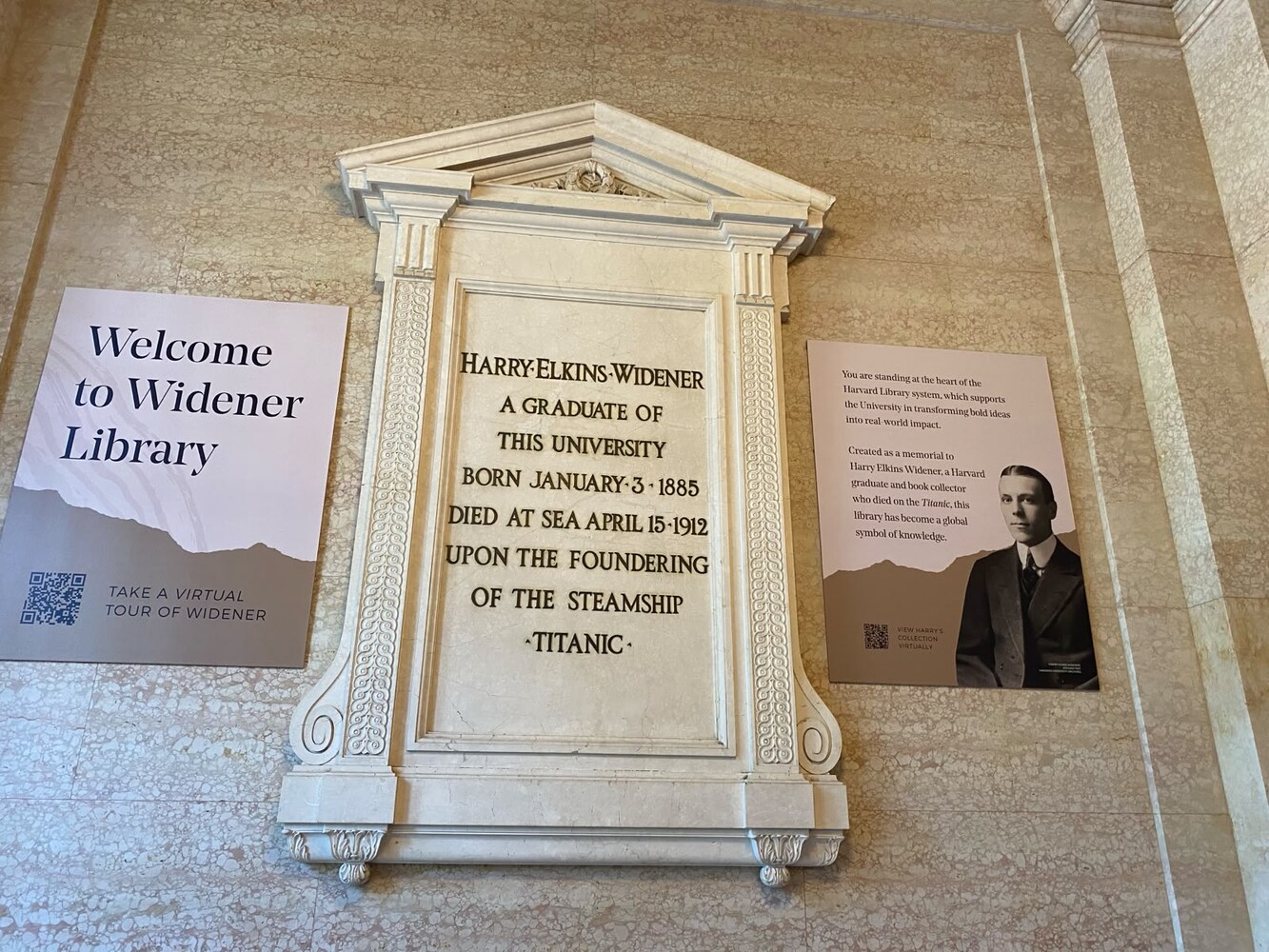
On June 24, 2026, I finally got lucky with an unforeseen window of opportunity. I had no idea of the eternal significance of this day till I entered the premises of the Widener library. It was only here that I came to know of a poignant slice of history: The Widener officially opened on June 24, 1915 in the everlasting memory of Harvard alumnus Harry Elkins Widener, who tragically lost his life on the Titanic in 1912, one among the 1500 unfortunate souls aboard on the ship on the fated day.
So, here I was, all set to recount the mesmerising era of the great Kosambis from Goa who spent time at the haloed Harvard University for different purposes across different time spans. Acharya Dharmanand Kosambi first travelled to Cambridge, Massachusetts in 1918, at the behest of Harvard professor Charles Rockwell Lanman to complete a critical edition of a Buddhist philosophical text called Visuddhimagga. In 1922, his daughter Manik became the first South Asian woman to graduate from Radcliffe. A few years later, his son Prof. Damodar Dharmanand Kosambi (DDK) graduated Harvard summa cum laude in 1929, much before he rewrote the entire grammar of Indian historiography in later life, albeit, to the casual observer, it may have seemed like a conventional teaching-and-research career in mathematics.
Here's what each stop on my walk fetched me:
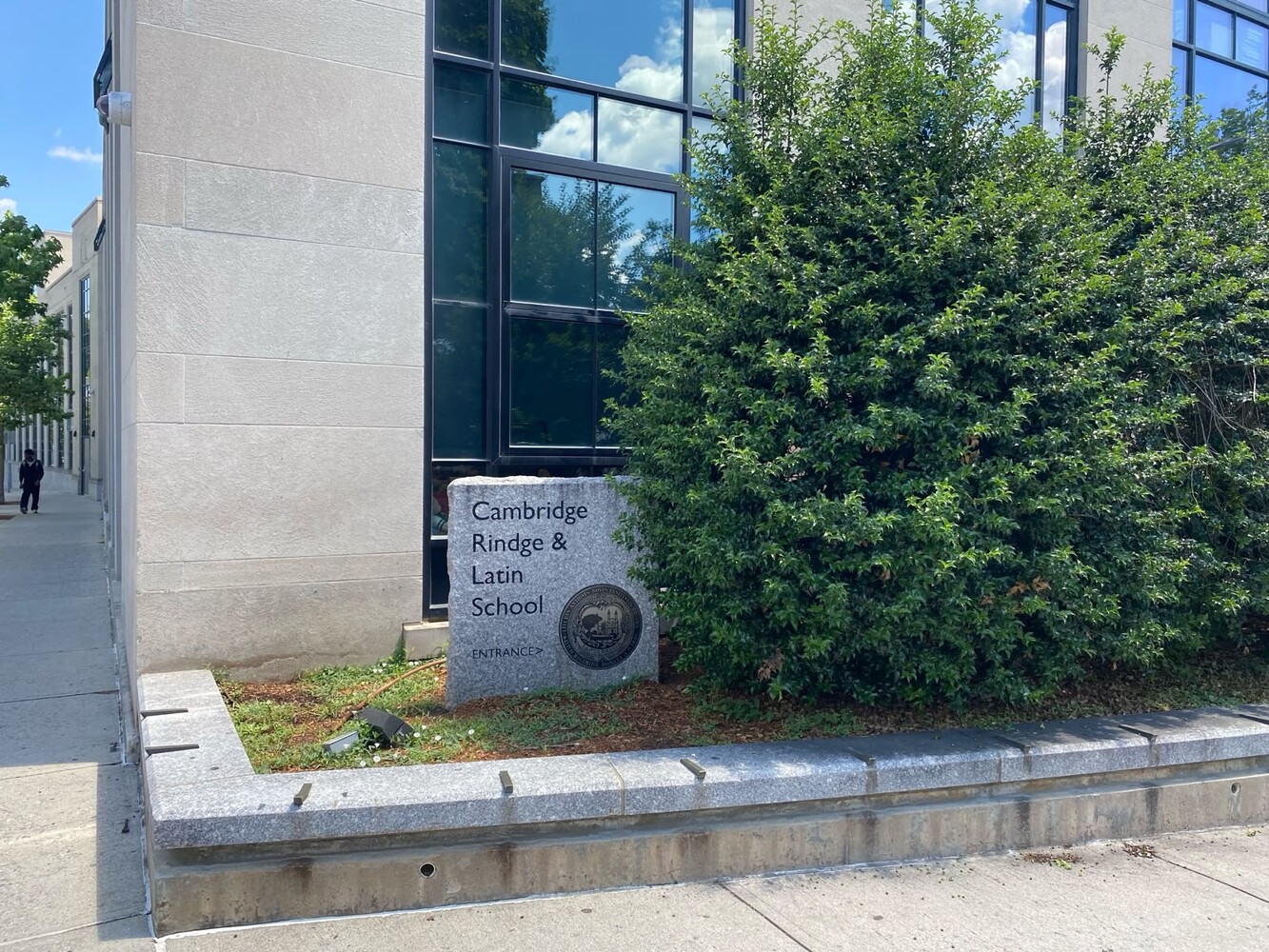
Stop 1: Cambridge Rindge & Latin School
DDK began his American schooling at the Rindge Technical High School, but his poor health and weak physique made the physical curriculum difficult, so the principal advised a transfer to a more academic track. After a year at the Harvard Grammar School, he entered the Cambridge High and Latin School in 1920, graduating in 1924. Thanks to his final examination results, he became one among the rare few admitted to Harvard without sitting the standard entrance exam.
It's here, at the Cambridge schoolyard, that he met the would be cybernetics founder Norbert Wiener. Co-incidentally, Norbert's father Leo Wiener, who taught Slavic languages at Harvard, was a friend of DDK's father Dharmanand Kosambi.
Stop 2: Widener Library
The library was barely a decade old when Kosambi arrived as a student, the station that helped him build much of his polymathy across genres, book by book. His father's own scholarship on Pali Buddhist texts, published in the Harvard Oriental Series, was the published legacy he cherished on the shelves.
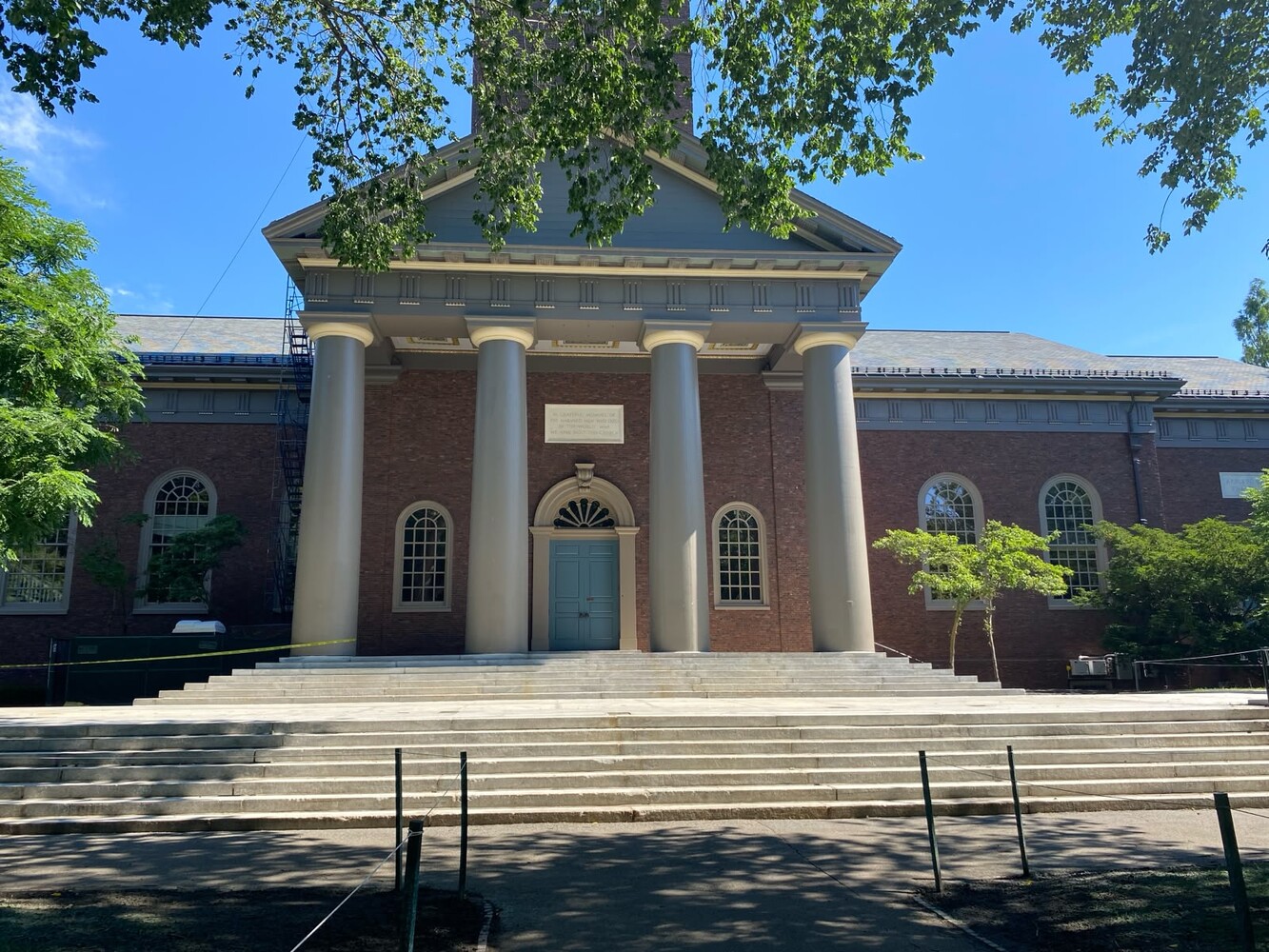
Stop 3: Sever Hall
At the humanities hub of the H.H. Richardson's Romanesque classroom building, DDK took courses in Military Science, History, German, and Italian. He took eighteen courses in a single year, much to the chagrin of his mathematics teacher, George David Birkhoff.
Stop 4: Emerson Hall
The undergraduate history courses of this fertile soil seeded DDK's signature achievements, specifically the "combined methods" that redefined Indian historiography through a blend of scientific approach and Marxist analysis applied to ancient Indian history.
Stop 5: Science Center (Mathematics Department)
As mentioned earlier, DDK studied mathematics under Birkhoff, America's pre-eminent mathematician of the era alongside William Graustein and Marshall Stone. Although he defied Birkhoff's advice of focusing solely on mathematics, DDK wrote a warm tribute to Birkhoff after his death in 1944, a gesture that seamlessly housed deviation and affection together.
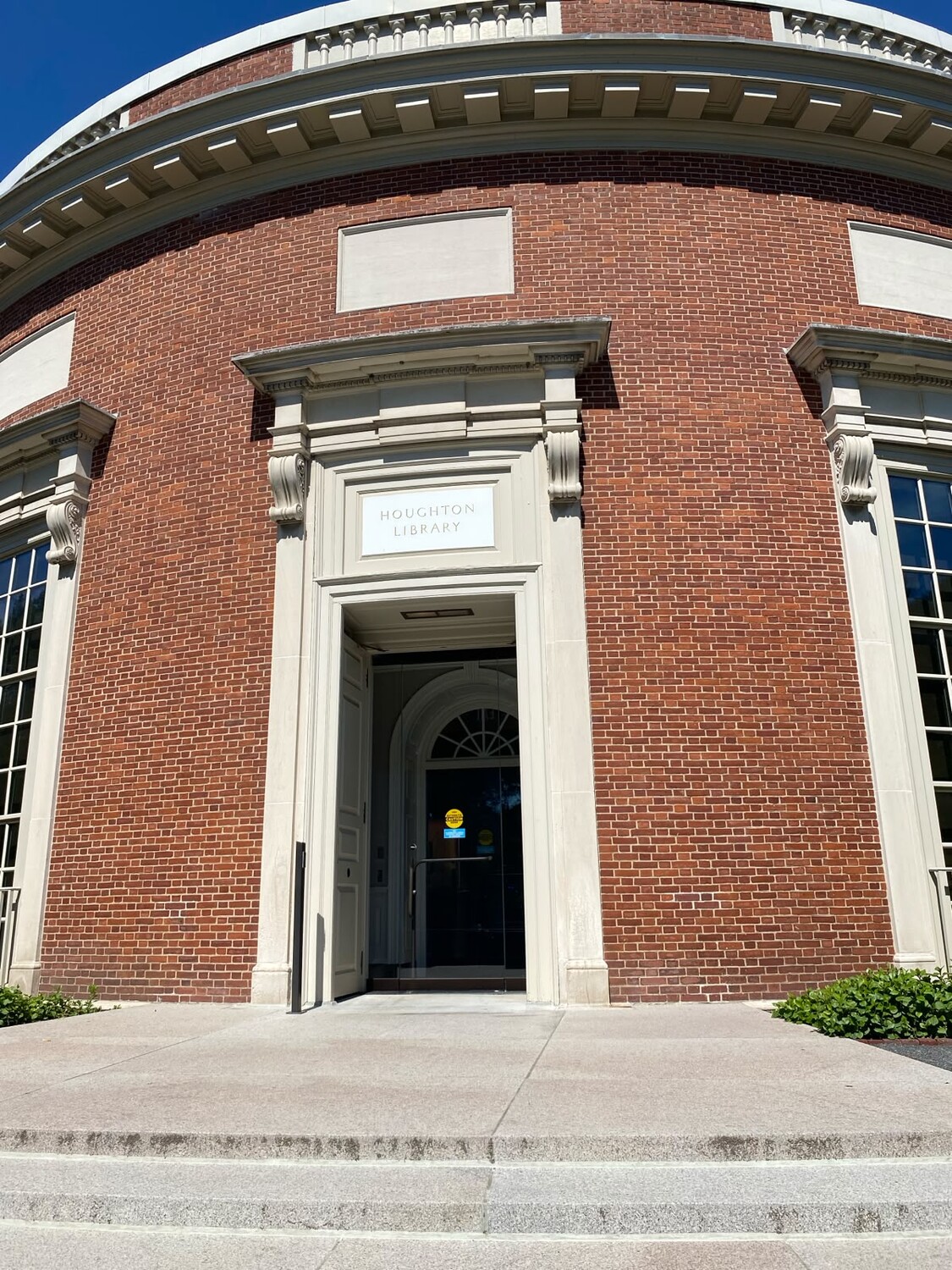
Stop 6: Houghton Library
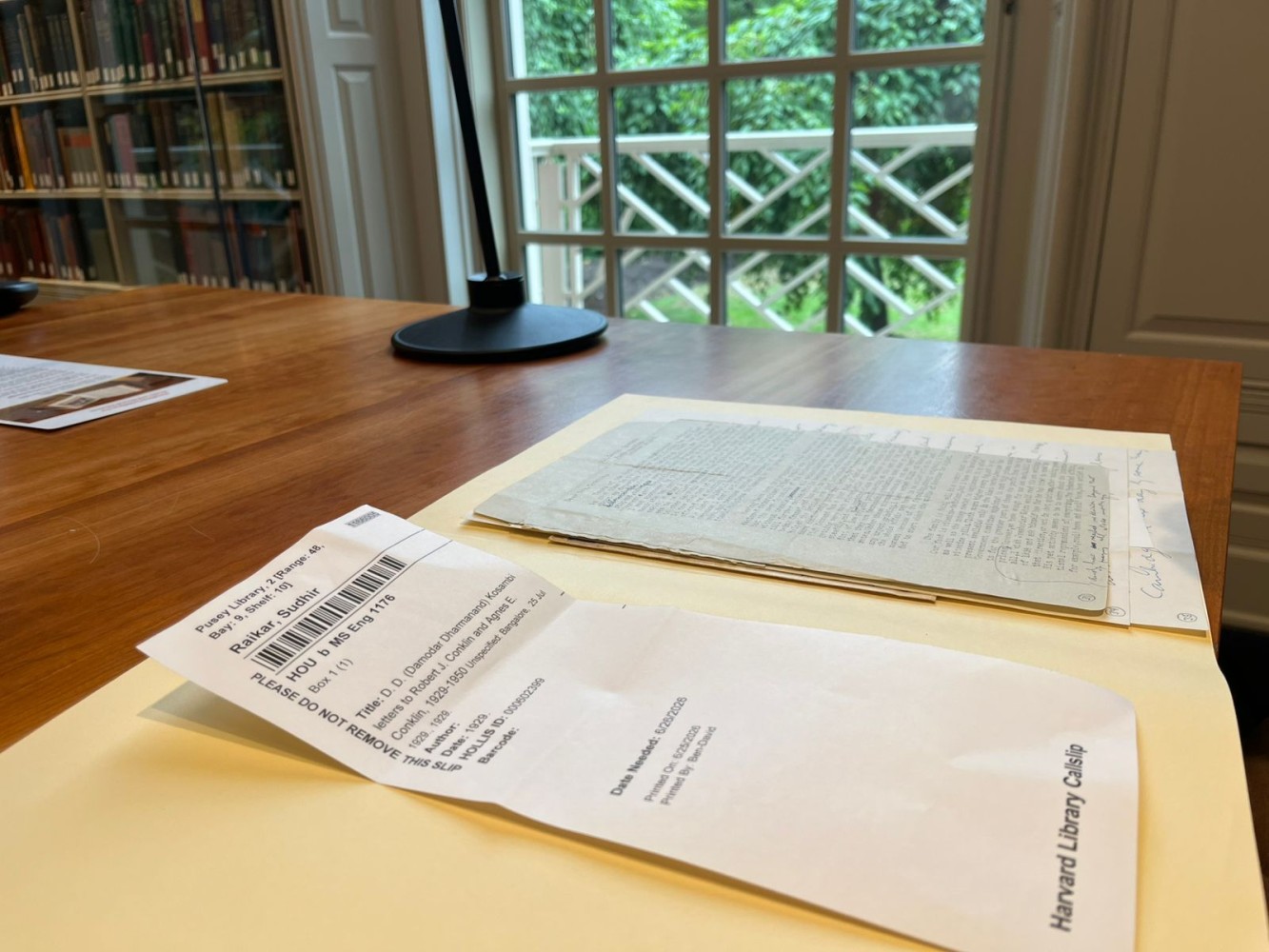
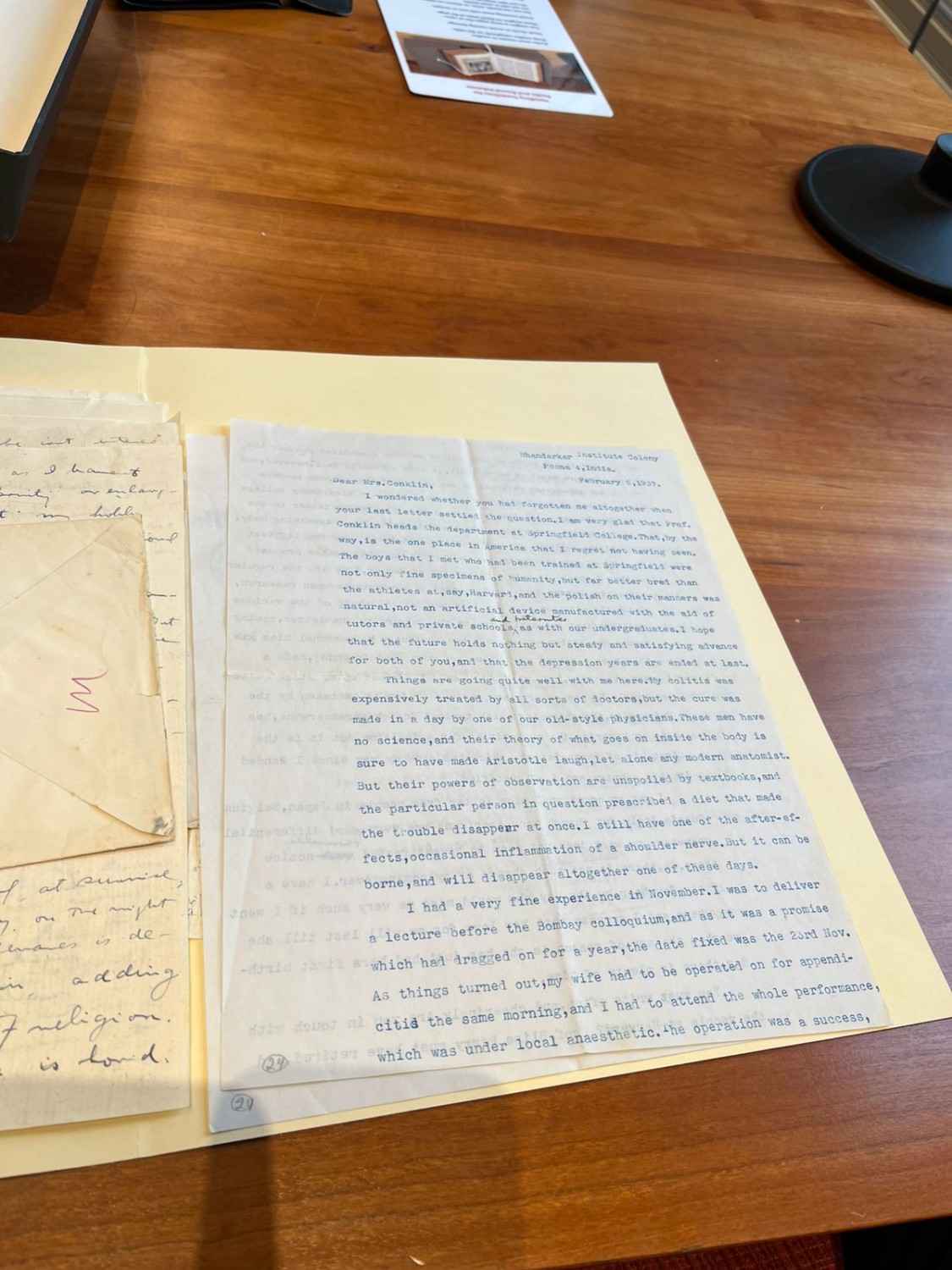
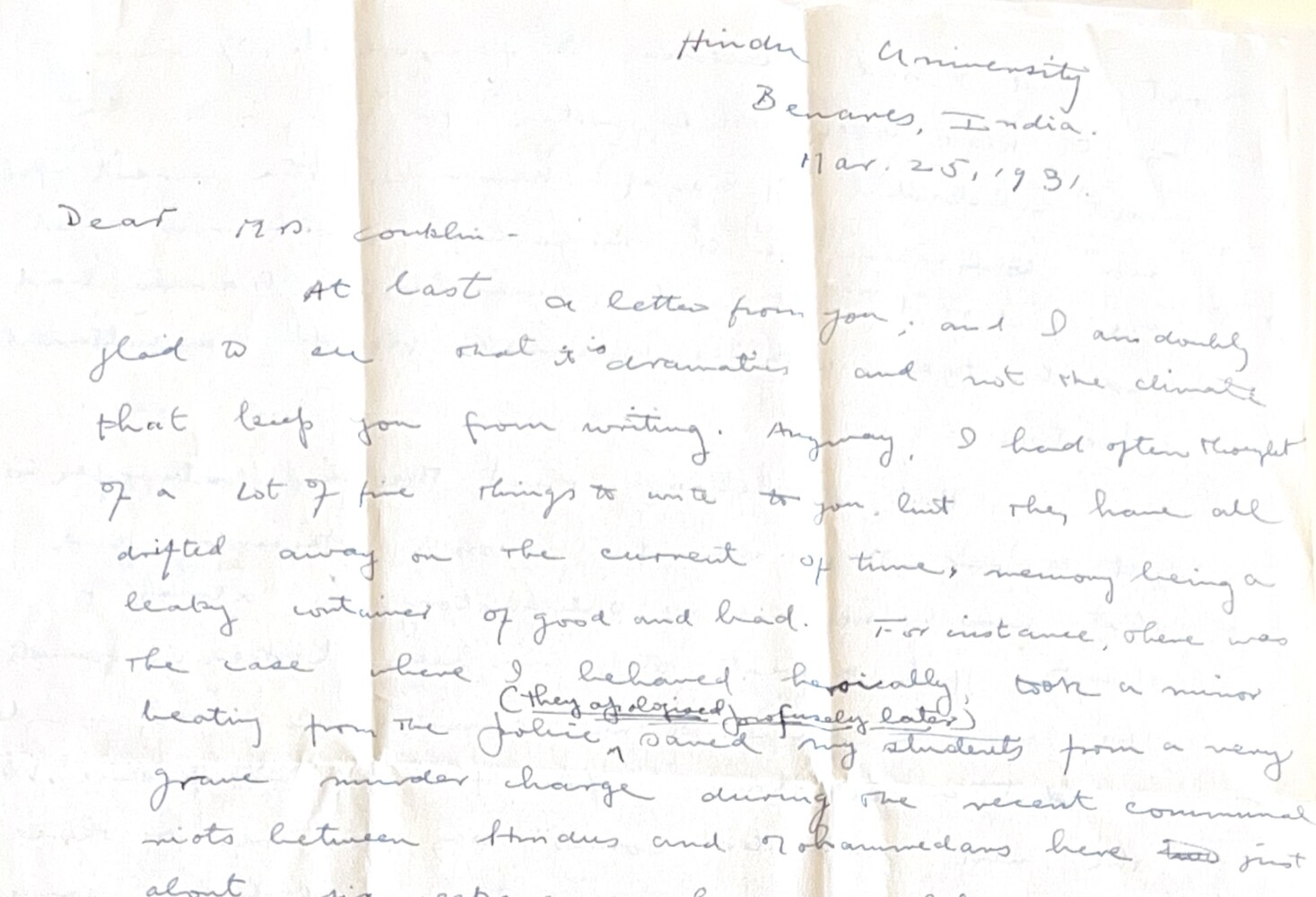
Houghton cherishes a treasure trove of 39 letters DDK wrote to Robert J. and Agnes E. Conklin between 1929 and 1950, Cambridge friends from his student years, touching on his personal life, academic career, and India's political situation of the time.
Stop 7: Smith Campus Center
The 1920s student canteen no longer exists but one can visualise, based on the information in public domain, what DDK did here besides eating canteen food: lifting heavy milk cans for pocket money, and savouring American chocolates whenever possible, which proved a lifelong love affair.
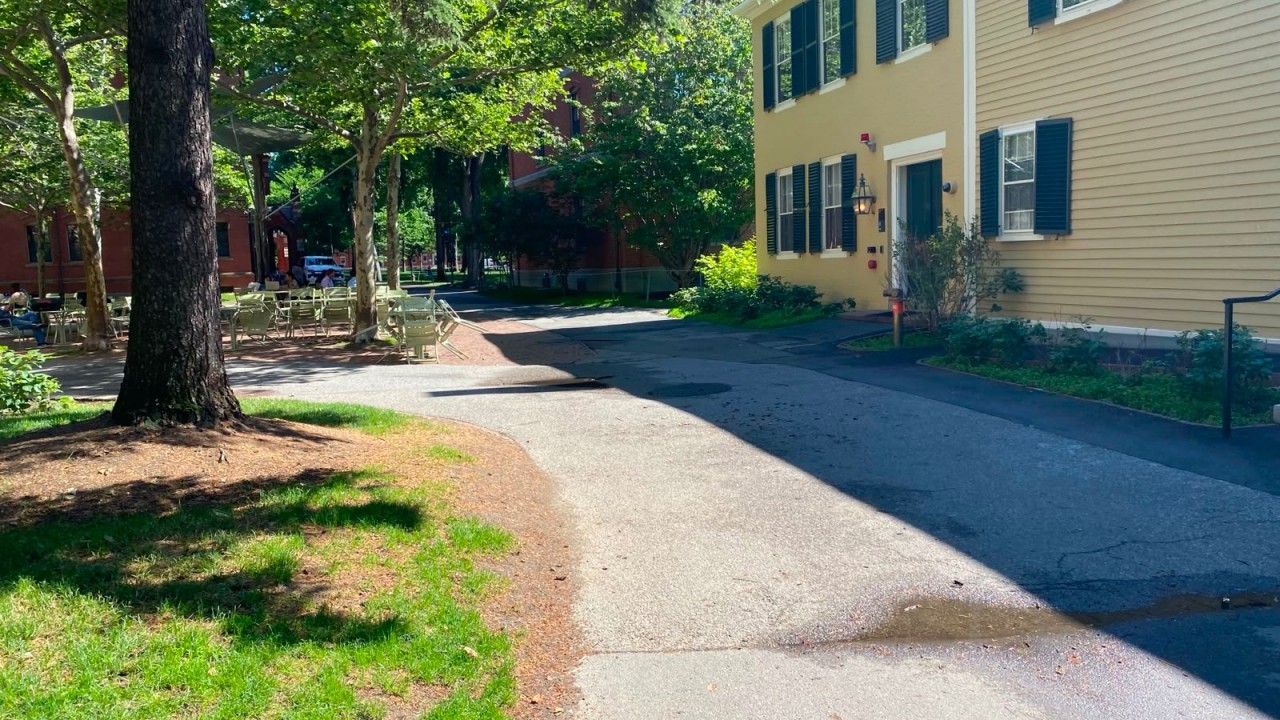
Stop 8: The Harvard Advocate
DDK was elected to Phi Beta Kappa and wrote for the Harvard Advocate, the oldest continuously published college literary magazine in the United States, founded in 1866: a mathematics student from Portuguese Goa contributing to the same journal T.S. Eliot had written for decades.
For me, this tour recreated the magic of DDK, eternally wrapped in his all-round wizardry: eighteen courses a year, a library card stamped across disciplines, kinship with a future founder of cybernetics, and a moving tribute to a mentor he'd politely defied.
PS: Thanks to the ever-so-resourceful Houghton Library, I could read DDK's letters to Robert J. and Agnes E. Conklin in the pristine reading room. Harvard is undoubtedly the first among equals to build such a therapeutic green house for seekers of all kinds, and the library system is truly world-class.
A humble suggestion to the Houghton library management: we strongly feel your current staff needs some value-added training in value-added communication, the lack of which can't be condoned by plastic smiles and overtly polite tonality. The instructions, however syrupy-toned, are nothing but matronly sermons.
One, the staff needs to get more adept at spotting nuisance makers among guests, such that they don't view every visitor with suspicion. It would be more prudent to hand a copy of Do's and Don'ts before the guest enters the reading room, rather than spoil their reading experience through constant interruptions: "hold the book this way, turn the page that way" et al.
Vigil is fine but it shouldn't be policeman-like, especially when interacting with responsible guests who care for the system as much as the hosts do.