August 12, 2026 · 4 min read
Hearty congrats, and a humble plea, to the Boston ‘T’ party
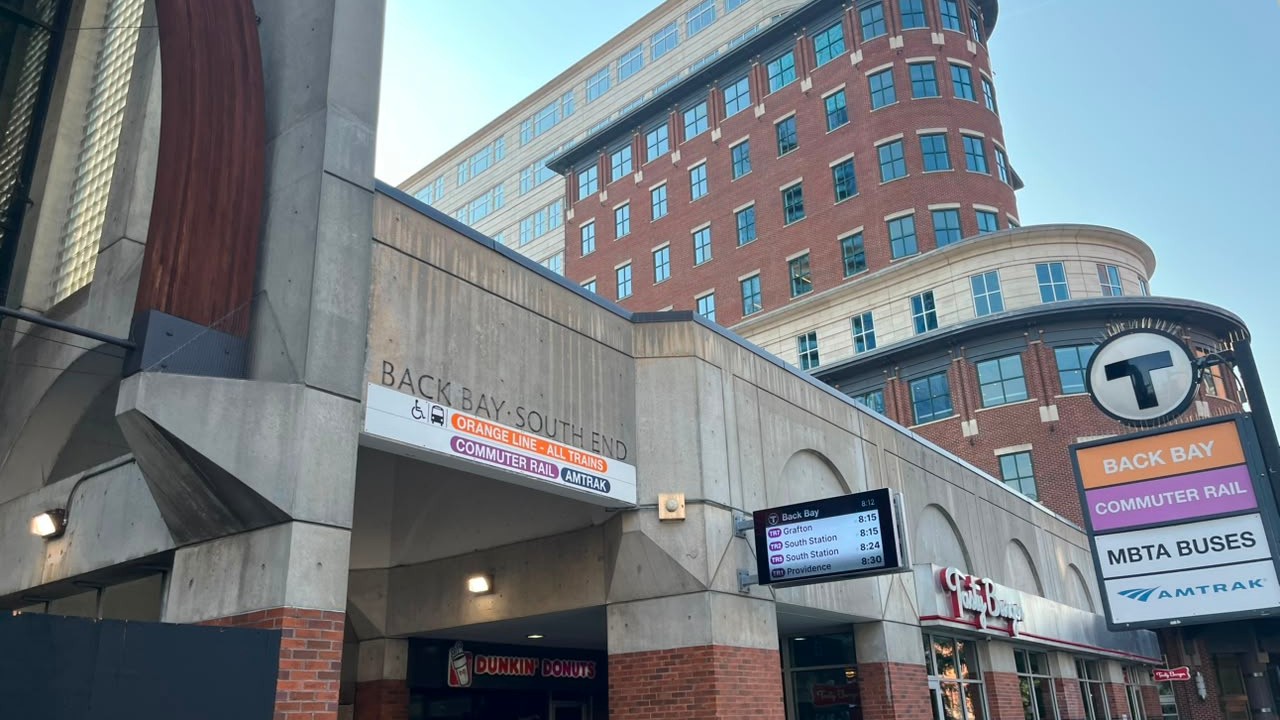
MBTA, which is fondly called T, the nickname of its subway/light rail subset, delivers its promise to a T. Four rapid transit lines, upward of 150 bus routes, and twelve commuter rail lines reach towns thirty miles out in every direction. The commuter rail goes further than most visitors expect, north to Newburyport and Haverhill, south to Providence and Kingston, linking towns that would have otherwise remained sadly inaccessible.
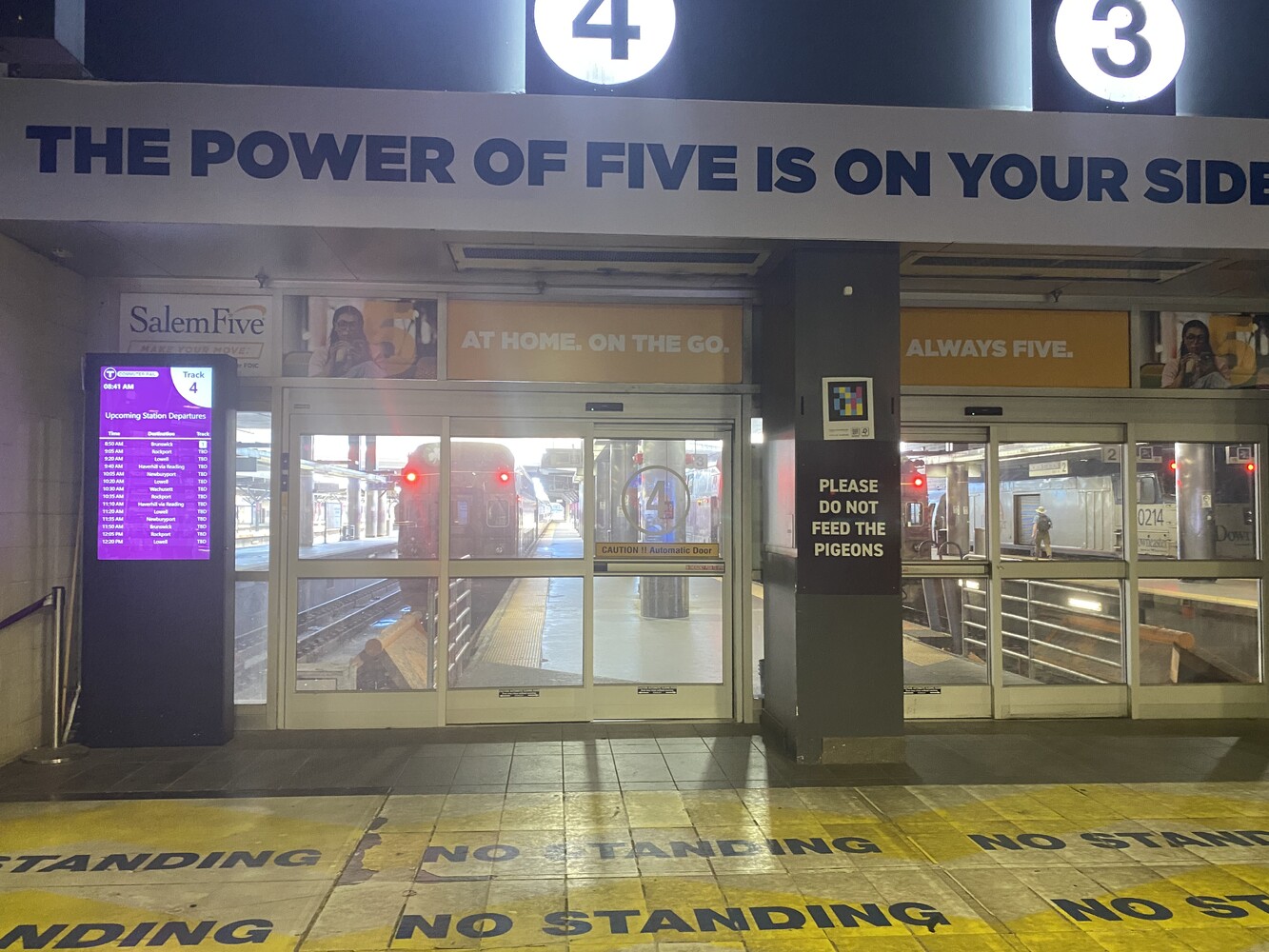
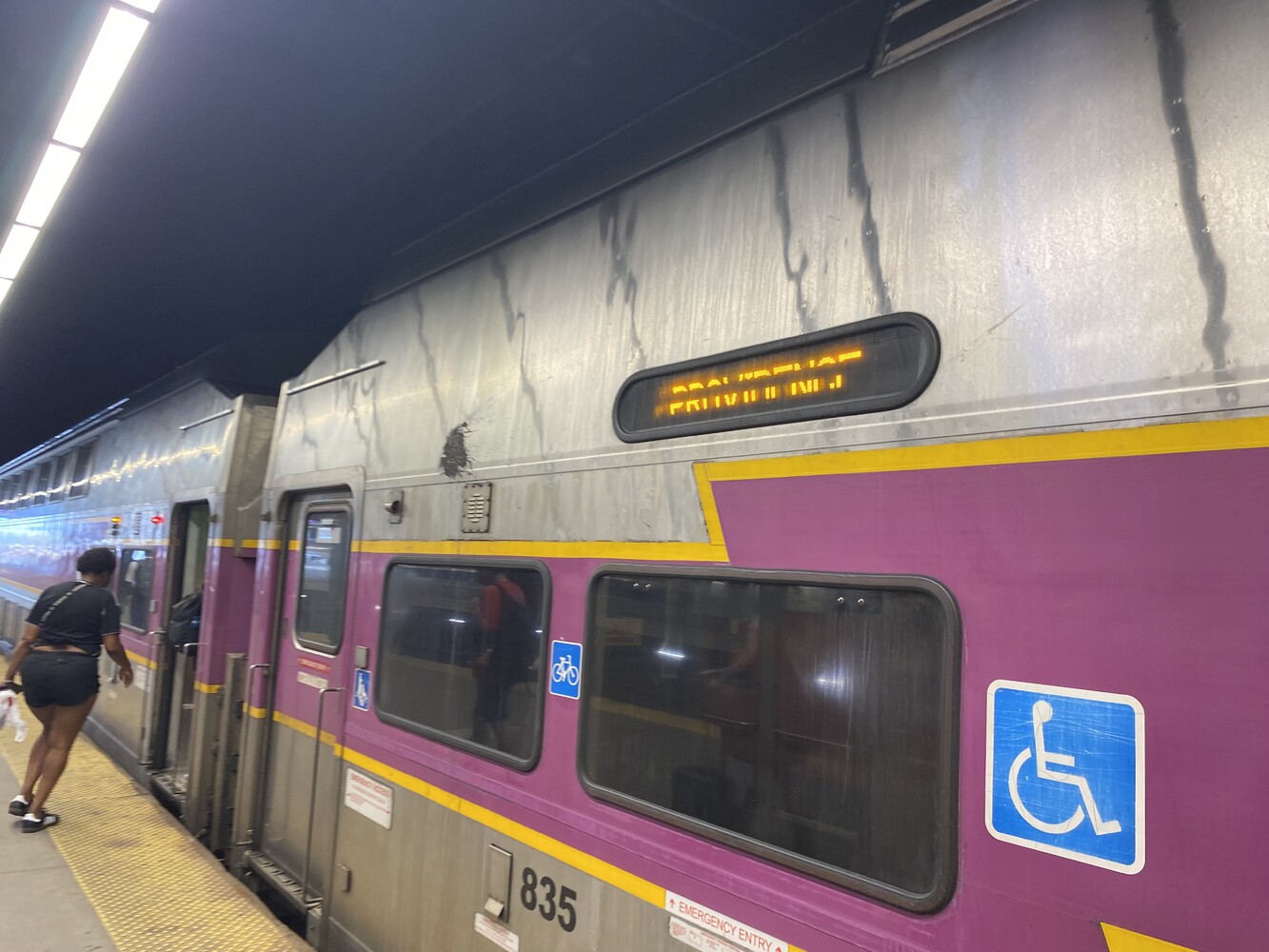
Compared to the wrath of Chicago's CTA enough times, the is T top-class. Why? Unlike the CTA, there's no waiting for Godot here, er, I mean waiting for the 'ghost', the train marked two minutes away on the tracker app, but which never shows up.
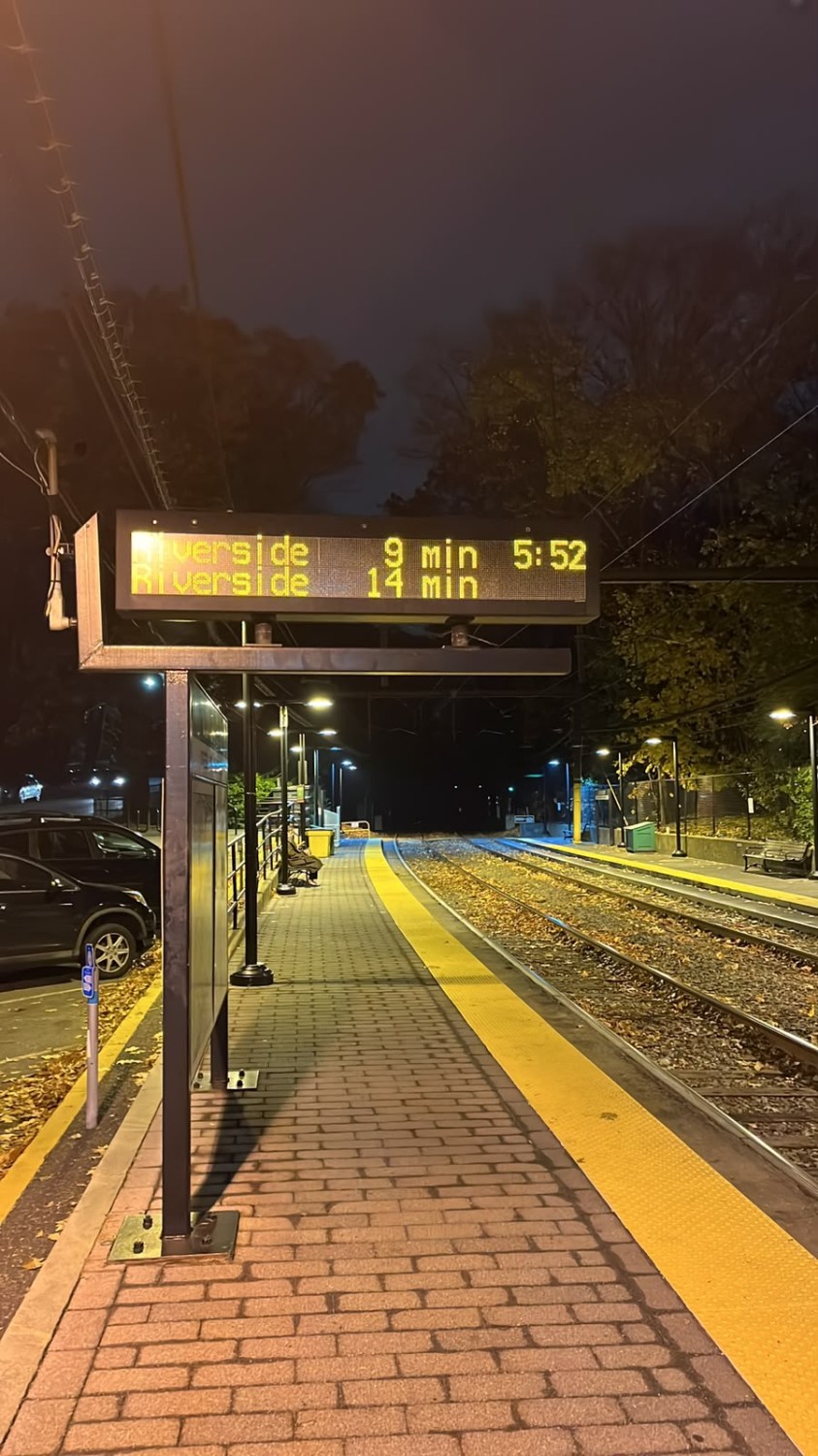
Never mind the last-minute T announcements of regular trains turning express (with you running the risk of skipping your destination if you are not attentive or have dozed off at the wrong time.) That's a one-off you can easily come to terms with. And there's always a train behind, coming to your rescue, in good enough time.
Having said that, T beating the CTA doesn't prove much. The comparisons that matter are with London and New York.
On the color coding, the T makes it real easy for Red, Green, Orange, Blue, and the Silver Line buses. What trips most people up is the Green Line which splits into four branches (B, C, D, and E) sharing one color and one stretch of downtown track. You board without knowing which branch you're on until the sign updates, and a delay on one branch has a cascading effect across all four. The Red Line suffers a smaller version of the same issue, splitting into Ashmont and Braintree branches south of JFK/UMass. By the way, Green by far is the best in terms of service and cleanliness inside the trains, which pales the colour and branch confusion into near insignificance.
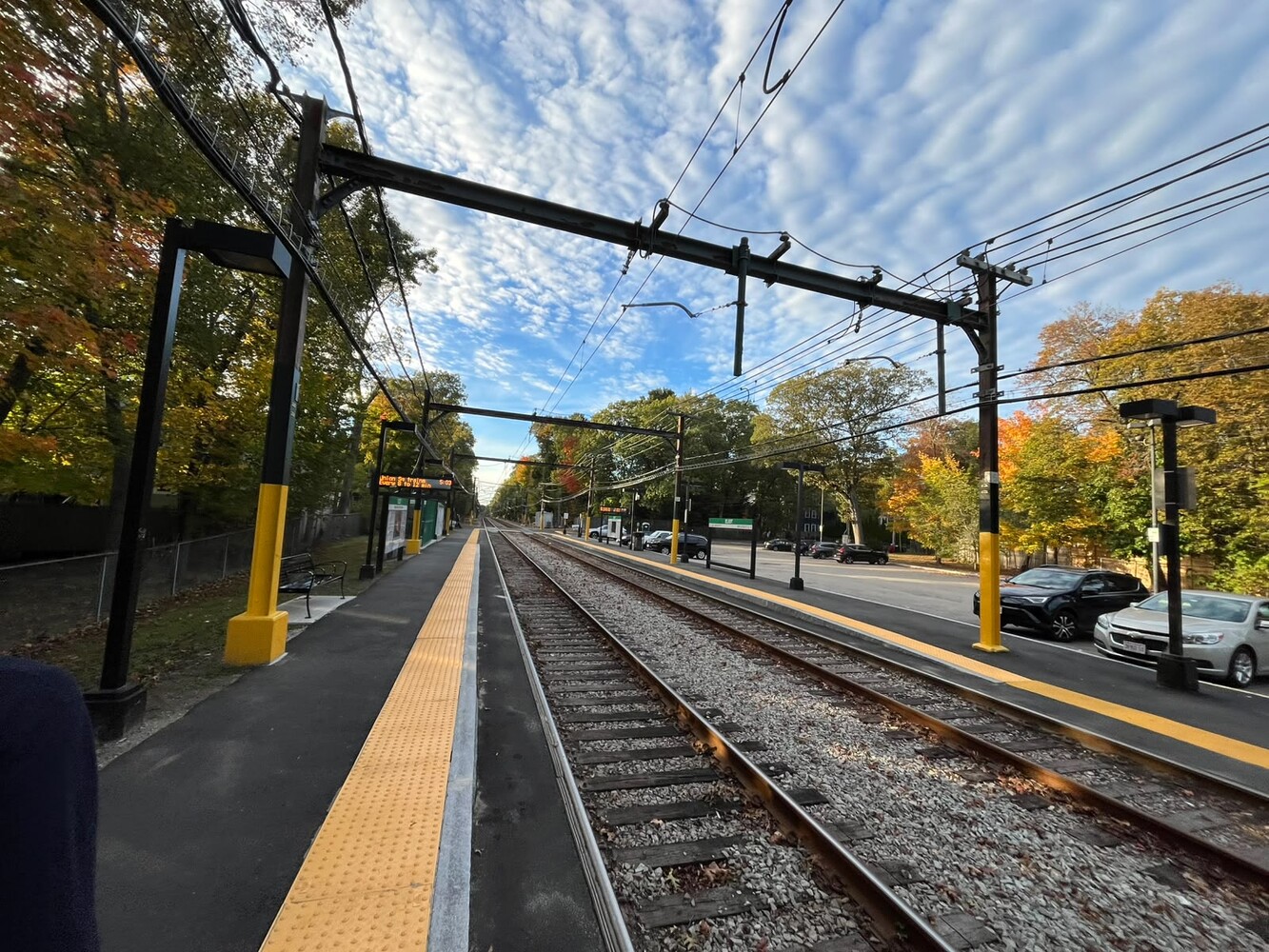
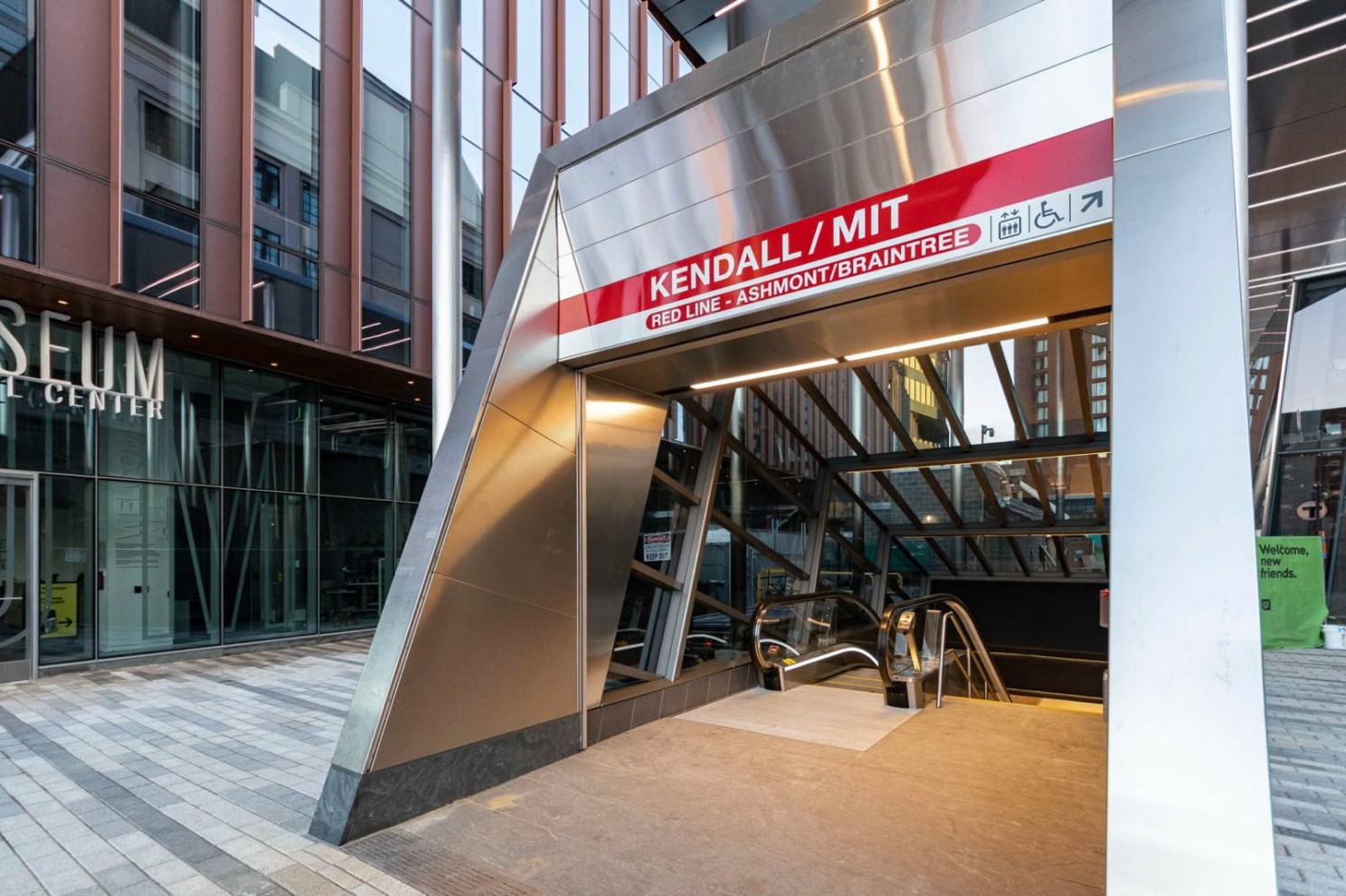
It's laudable how London handles this, never mind its falling bridge, er, I mean, the falling standards of a once-great city. Each of the Underground's eleven lines has its own color and name, so riders can never confuse one with another. The trade-off is a cryptic-looking map that takes ages to make sense of, but one can gainfully skip it, trust instinct instead, and get by better. New York, on the other hand, has several lettered and numbered trains sharing a color, the 4, 5, and 6 are all green, the A, C, and E are all blue. (envision Boston's branch problem at a larger scale) However, once you know the system, riding trains becomes a breeze.
I feel the area where London and New York pull ahead of Boston is revenue. MBTA's minimum subway fare is $2.40, and projected fare revenue for FY26 sits around $450 million against a $3.24 billion budget. A minimum fare closer to $1 could bring many more riders and many more paid trips at a lower price point.
MBTA also appears to be on a weaker footing on the advertising piece lever. Its contract with Outfront Media put digital screens on roughly 700 vehicles and stations, slated to bring in $136 million over five years. London books its tube car ad panels by line and prices them by zone. New York's subway ad market runs from a few hundred dollars for a car card to six figures for a full station takeover. T in-vehicle notifications are still mostly static service announcements. The Underground or the New York subway ride itself feels like inventory, rotating digital panels, content that shifts by time of day and route.
London report card is even more exciting. TfL runs its rail advertising, Tube, London Overground, DLR, tram, and the Elizabeth line, through a single eight-year contract with Global that covers 272 Underground stations and more than 120,000 ad panels, while a separate deal with JCDecaux handles over 4,700 bus shelters, including 612 digital panels. Between the two, TfL pulls in roughly £150 million a year, money it ploughs back into running the network. Notably, London has tightened its standards without losing revenue. A case is point is dated but oven-fresh in relevance. When TfL banned ads for food high in fat, salt, and sugar across the whole network in 2019, critics predicted losses of around £35 million a year. Instead, ad revenue rose by £2.3 million in the first year. That's goodwill speaking.
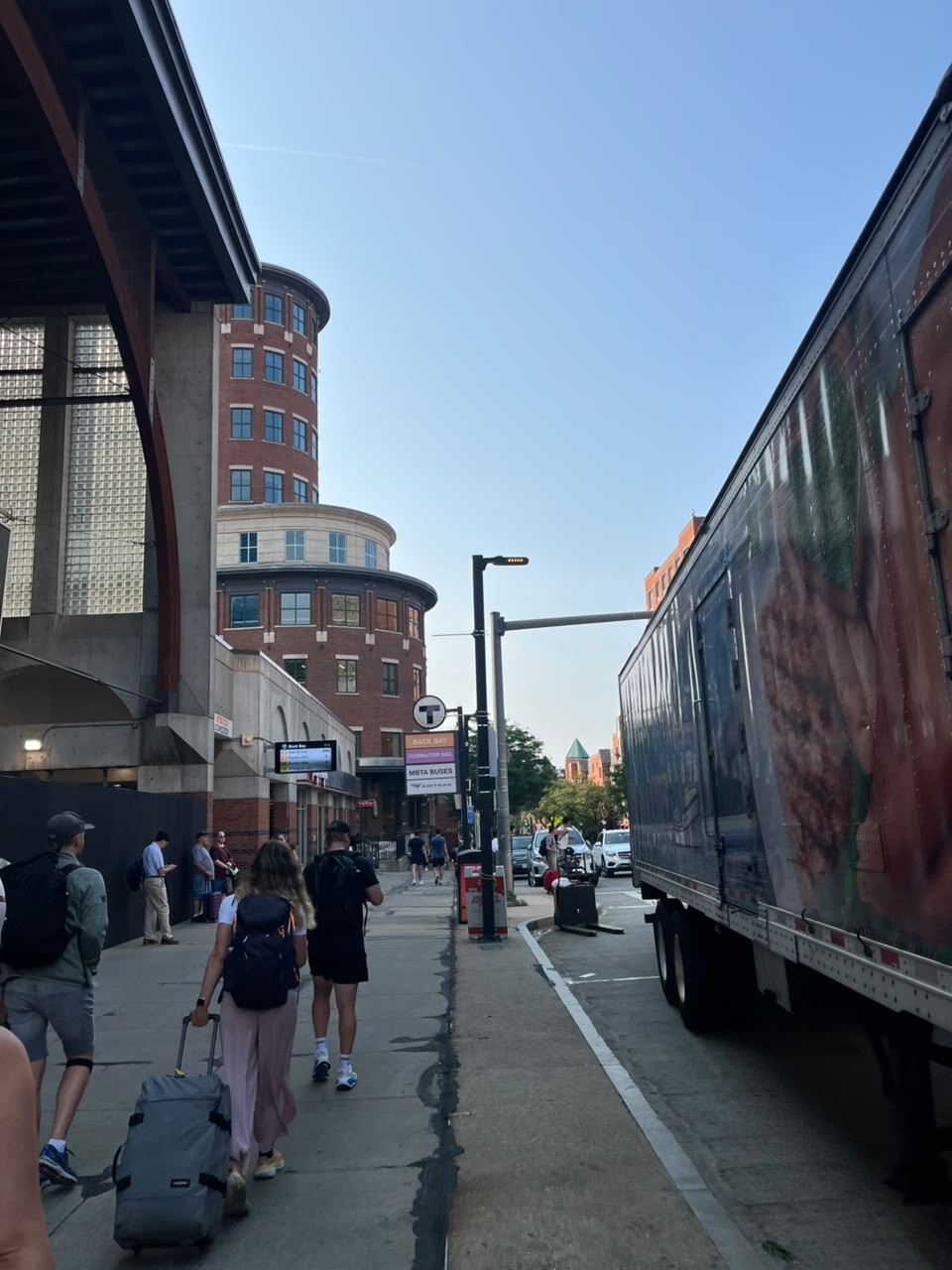
MBTA already has the screens. Pairing a lower base fare with sharper, better-sold advertising would raise more total revenue for T, than holding the line at $2.40. Being an efficient service run by a credible system, T deserves a mega revenue boost, besides a mega tea party to honour the enduring slice of history.
#MBTA #PublicTransit #Boston #MassTransit #UrbanMobility